For homeowners across Louisiana, Mississippi, Alabama, and the Florida Gulf Coast, outdoor living is more than a luxury feature—it’s an extension of the home itself. Yet in the Gulf South, extrem e humidity, heavy rainfall, hurricane-force winds, and relentless insects constantly challenge traditional outdoor construction methods.
Unfortunately, many aluminum screen enclosures and patio structures are still built using outdated methods based on assumptions instead of engineering. The result is often structural movement, corrosion, poor alignment, leaking roof systems, and premature failure during severe weather events.
At CoverWorks Inc., we take a different approach.
With over 25 years of experience in engineered aluminum specialty structures, our philosophy is simple:
“We engineer what others guess.”
From custom pool enclosures and insulated patio covers to advanced screen rooms and Lexan roofing systems, every structure we build begins with mathematics, load analysis, structural geometry, and precision fabrication—not shortcuts.
In many traditional enclosure installations, contractors rely heavily on field adjustments and generalized framing layouts. While that approach may appear acceptable initially, it often creates long-term structural weaknesses that reveal themselves under Gulf Coast weather conditions.
Proper engineering considers:
When these variables are ignored, homeowners commonly experience:
Precision fabrication dramatically reduces these risks while improving both appearance and long-term durability.
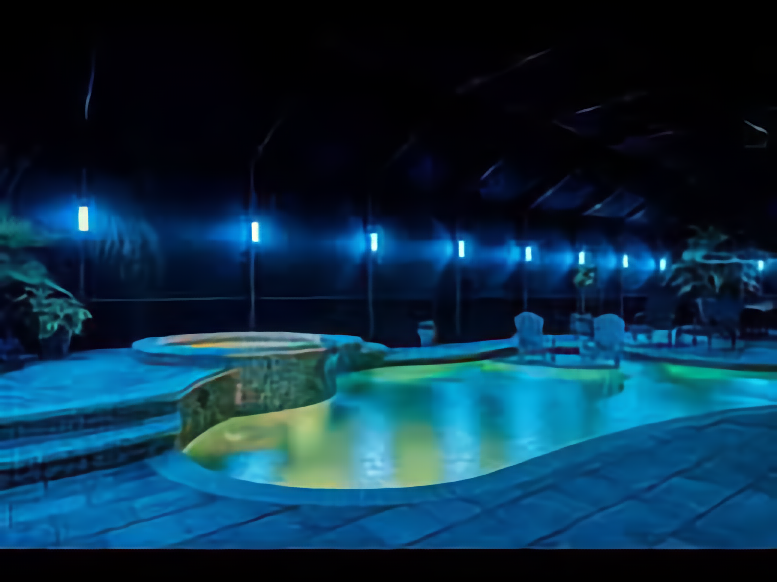
One of the largest advancements in the aluminum enclosure industry is the transition from fully field-built structures to precision-fabricated systems assembled in controlled shop environments.
At CoverWorks, many structural components are fabricated and pre-fit before arriving at the property. This process allows for:
For many homeowners, this means complete transformations can often be installed in as little as 2–3 days depending on project complexity.
Instead of weeks of noisy on-site cutting and modifications, homeowners experience a streamlined installation process designed for efficiency and precision.
High-end outdoor structures are defined by details most people never consciously notice.
Traditional aluminum systems often expose mechanical fasteners directly to moisture and weather conditions. Over time, these exposed connections can discolor, corrode, and compromise the visual quality of the enclosure.
Modern engineering techniques now prioritize:
The result is a cleaner architectural appearance that better complements upscale residential construction while also improving long-term weather resistance.
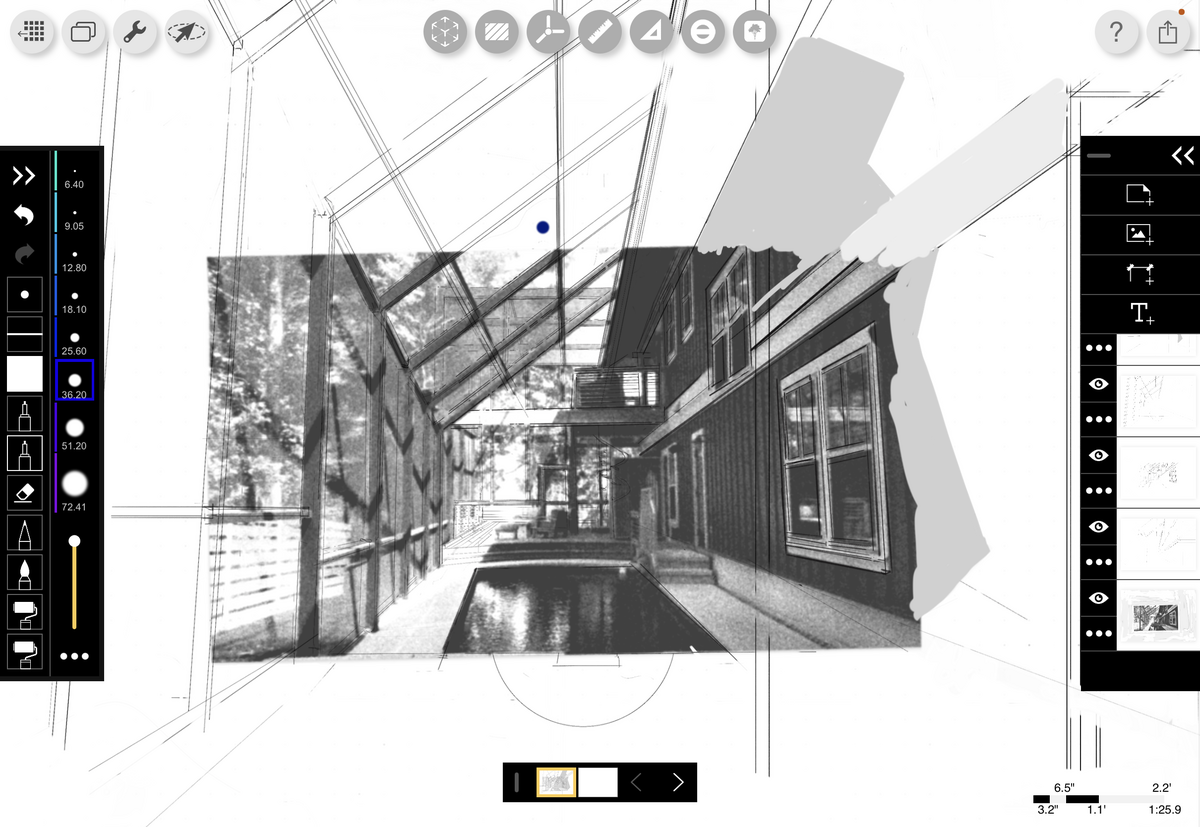
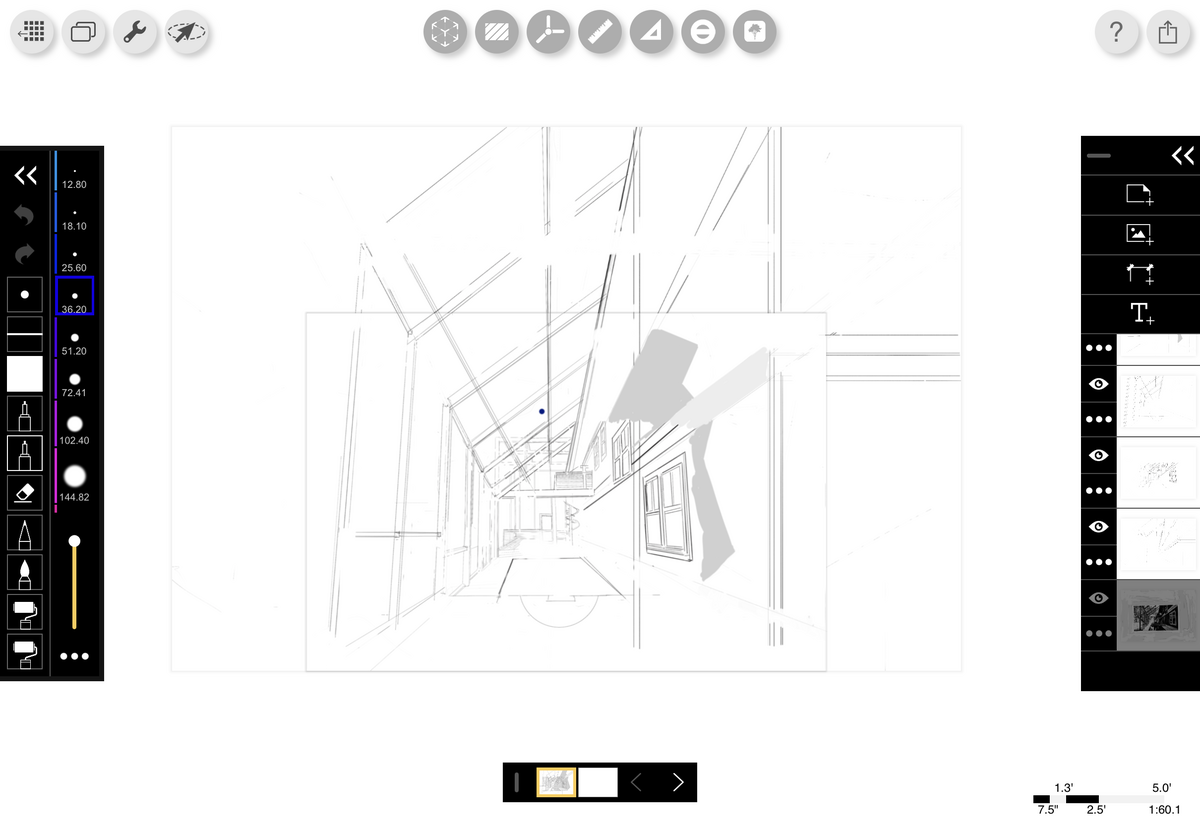
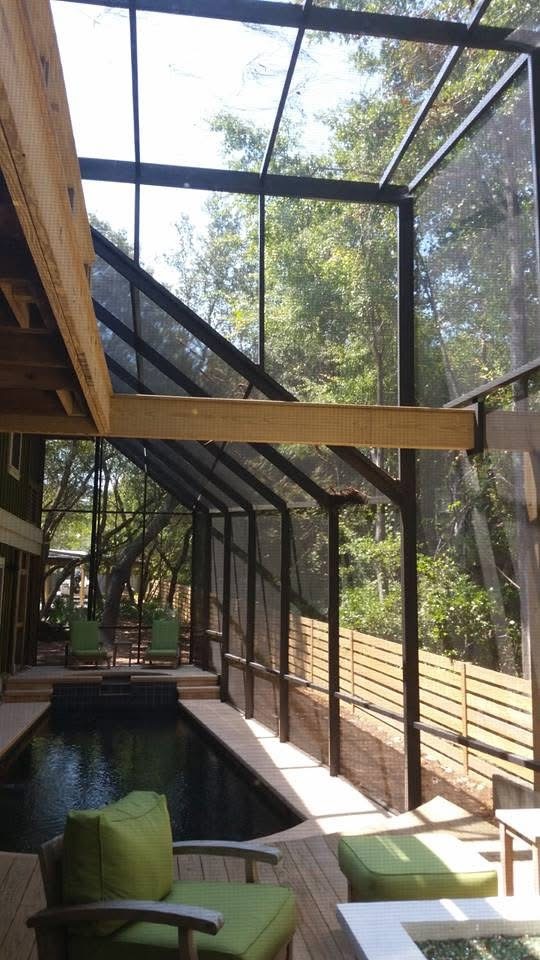
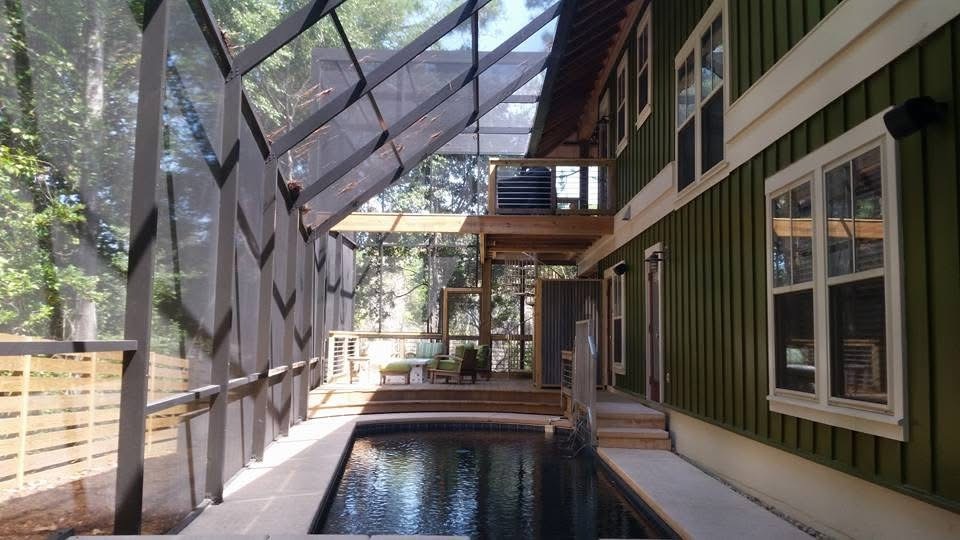
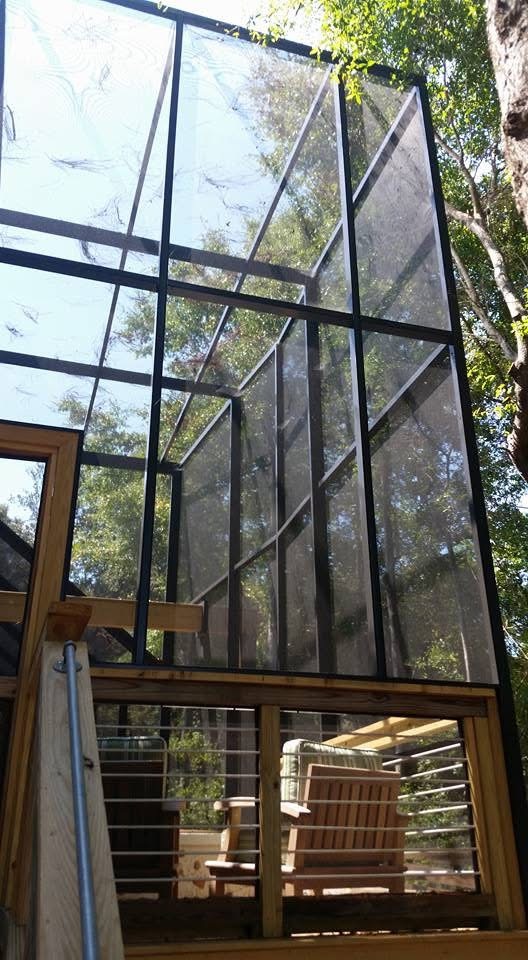
One of the biggest causes of homeowner dissatisfaction in construction is the disconnect between imagination and final reality.
Modern CAD design and 3D rendering technology help eliminate that uncertainty.
Before fabrication begins, advanced modeling allows homeowners to preview:
This process allows for strategic optimization of:
Visibility
Maintaining open views of pools, landscaping, and waterfront areas.
Airflow
Maximizing natural ventilation throughout the enclosure.
Architectural Integration
Ensuring the addition feels original to the home rather than visually “attached afterward.”
Today’s engineered outdoor environments go far beyond simple screen protection.
Modern outdoor living systems may include:
These systems allow homeowners to create fully customized outdoor environments designed specifically for Gulf Coast living conditions.
The Gulf Coast presents unique structural demands that many generic systems simply are not designed to handle.
Homes throughout Louisiana, Mississippi, Alabama, and Florida routinely face:
That is why engineered aluminum systems have nt for homeowners seeking long-term durability with minimal maintenance.
A properly designed enclosure is not simply decorative—it is a structural investment in property value, usability, and protection.
At CoverWorks Inc., we specialize in engineered outdoor structures designed specifically for Gulf Coast environments.
From custom pool enclosures and screen rooms to insulated patio covers, decorative concrete systems, and advanced roofing solutions, our goal is simple:
Deliver durability, precision, and long-term performance.
If you’re ready to transform your outdoor space with a system built on engineering instead of assumptions, we’re ready to help.
The aluminum enclosure industry is rapidly evolving away from guesswork and toward precision-built architectural systems.
As fabrication technology, engineering standards, and design software continue advancing, homeowners now have access to outdoor environments that are:
The result is a new generation of outdoor living spaces designed to perform just as beautifully as they look.
How long does a pool enclosure installation take?
Many projects can be installed in as little as 2–3 days depending on size, complexity, weather conditions, and fabrication requirements.
Are engineered enclosures stronger during storms?
Properly engineered structures are designed with wind loads, uplift resistance, load transfer, and structural alignment in mind, improving long-term durability.
What roofing systems are best for Gulf Coast patios?
Popular options include insulated aluminum roof systems, Lexan roofing, and twin-wall polycarbonate systems depending on the project goals.
Do screen enclosures increase property value?
Professionally designed outdoor living spaces can significantly improve usability, curb appeal, and overall property value.
What areas does CoverWorks serve?
We proudly serve homeowners throughout Louisiana, Mississippi, Alabama, and surrounding Gulf Coast regions.
